(Exhibition from 21 May to 31 August 2026)
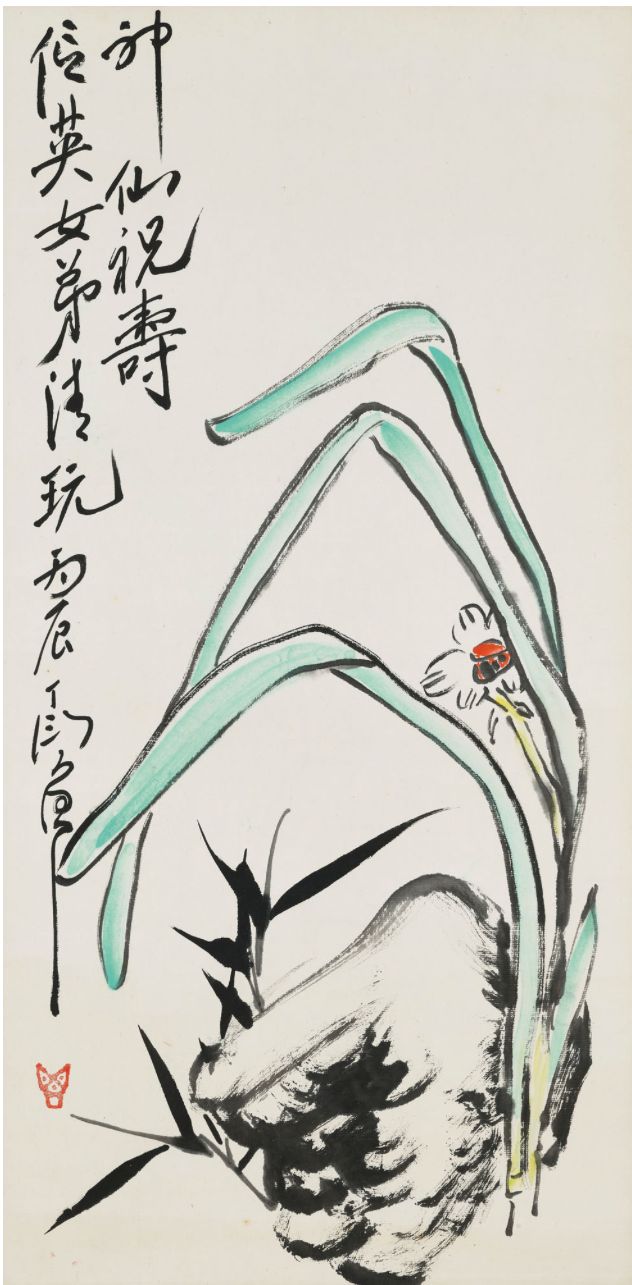
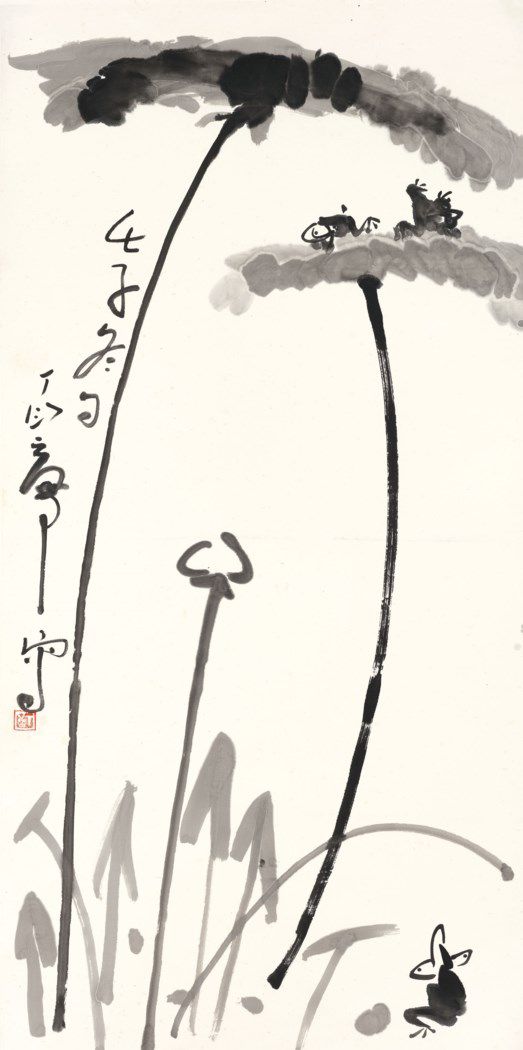
As the Mahāparinirvāṇa Sūtra says, "All sentient beings possess Buddha-nature," and as the "Universal Gate Chapter" of the Lotus Sūtra says, "With compassionate eyes one regards all beings." Taking these two scriptural lines as a point of entry into Ding Yanyong's (Ting Yin Yung, 1902–1978) work, one begins to see that the birds, fish, frogs, flowers, trees, lotus ponds, and trailing vines that recur throughout his art are not merely familiar motifs inherited from the tradition of bird-and-flower painting. They belong, rather, to a world alive with feeling, a world shaped by an equal gaze. Life may differ in scale, and forms may vary in appearance, yet none loses its weight by being small, ordinary, or silent. On the contrary, in Ding's hands, these everyday presences are granted a place no less worthy of attention than human figures, history, or culture.
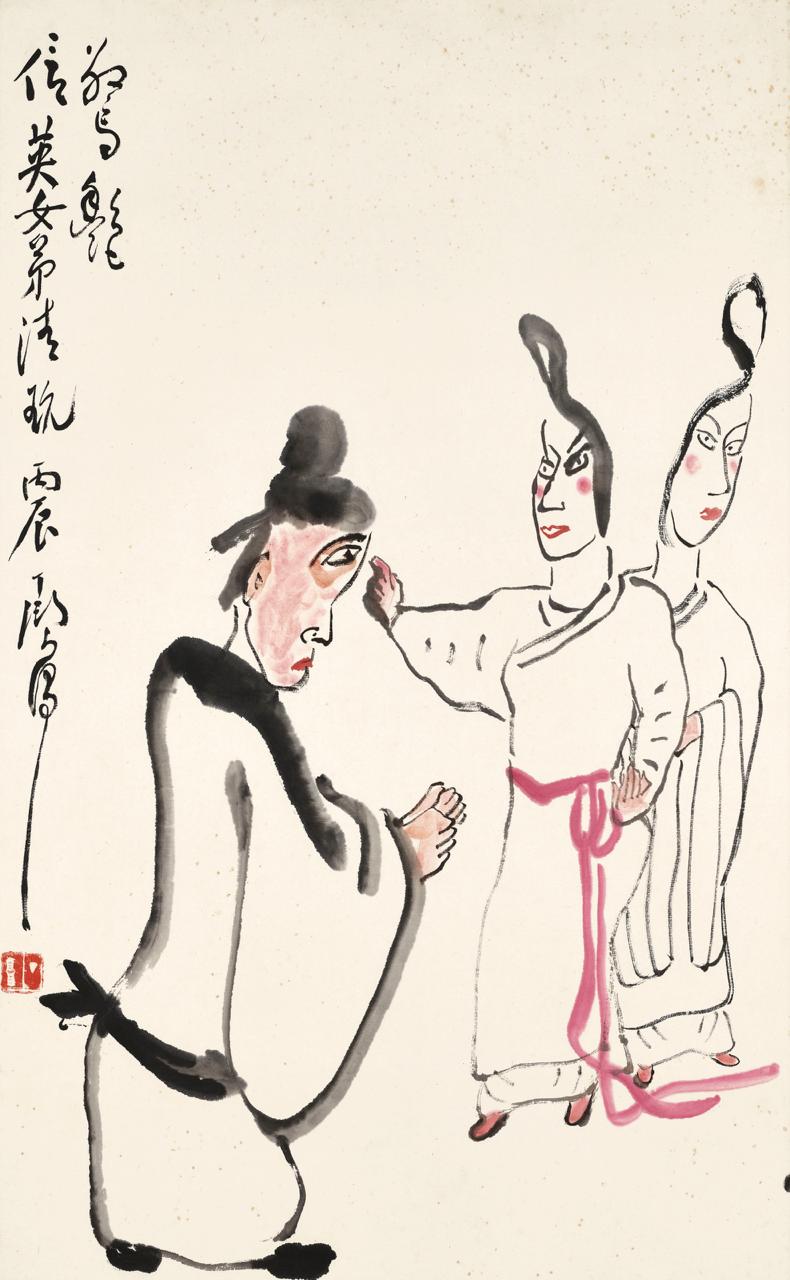
The title of this exhibition, A World Alive with Feeling, is not meant to recast Ding Yanyong's work as religious painting in any direct sense. Instead, it draws upon Buddhist ideas of equality and compassionate regard in order to bring out the vision of life embodied in his art: a way of seeing in which all things are beheld together and quietly enter into relation with one another. What Ding offers is not a strict hierarchy of subjects, but a mode of looking that does not rush to judge what is greater and what is lesser. Sparrows, lotus leaves, melons, frogs, calligraphy, and human figures all find their place within the picture, each with its own presence and temperament. What this exhibition hopes to show, then, is not only what Ding painted, but how he looked at the world: how he invites us, in turn, to see it with gentleness and equality, and to sense within his quiet brushwork a distinctive and enduring vitality.
The exhibition is divided into three sections. The first, "Equal Regard for All Things," begins with the most ordinary creatures and familiar forms, showing how Ding enabled the small lives of the everyday world to be seen and cherished. The second, "Beholding with a Gentle Eye," places calligraphy, figures, and plants side by side, drawing attention to the restraint, pauses, and concentration within his brushwork, so that looking shifts from the recognition of things to an inward composure. The third, "Lotus Roots Carried South," takes motifs such as lotus ponds, water plants, and trailing vines as its point of departure, understanding "roots" as both origin and continuation in a cultural sense: what Ding brought with him was not only subject matter or technique, but a spirit of brush and ink that came south from the mainland and found new life in Hong Kong.